
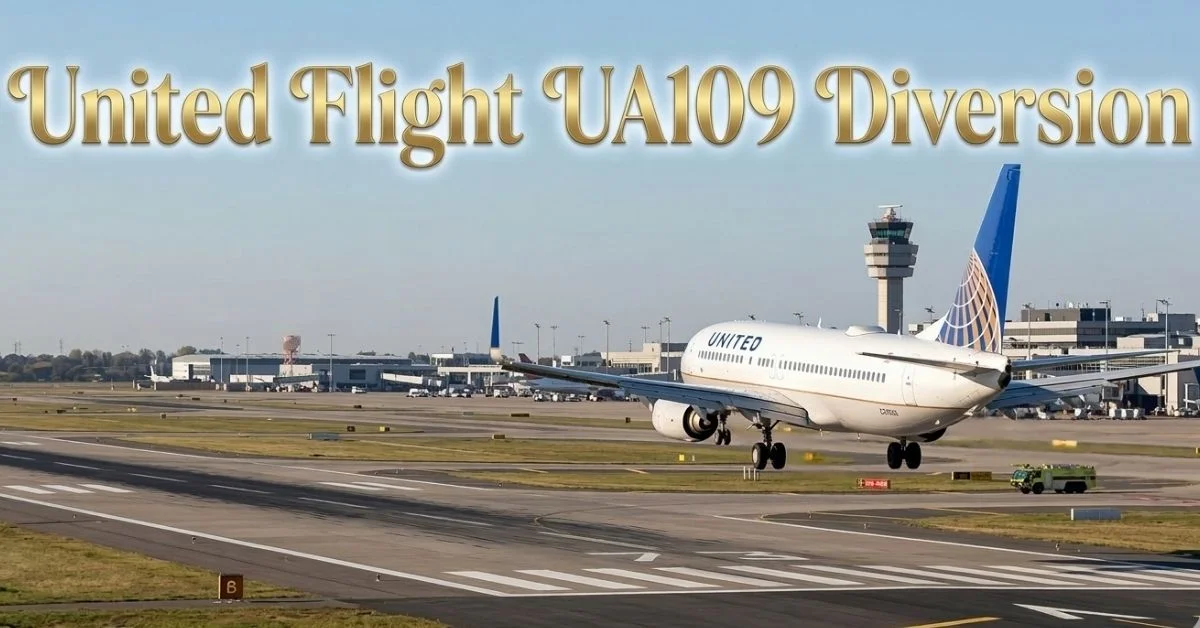
Airline diversions are uncommon but critical events that test both flight crew expertise and passenger safety protocols. United Flight UA109 experienced such a diversion recently, prompting inquiries about the cause, safety measures, and operational response. Understanding what leads to a diversion and how airlines handle it is important for passengers, aviation enthusiasts, and those monitoring airline performance. This article provides a comprehensive overview of UA109’s incident, from the flight’s original route and aircraft type to FAA involvement, passenger experience, and broader aviation context. By examining verified sources, timelines, and industry standards, we clarify what happened, why the flight was diverted, and what travelers can expect in similar situations.
Overview of UA109 Flight
Flight route and schedule
United Flight UA109 departed from John F. Kennedy International Airport (JFK) on a scheduled flight to Chicago O’Hare International Airport (ORD). The planned departure time was early afternoon, with an estimated flight duration of around three hours. The route typically crosses the northeastern and midwestern United States airspace, passing through multiple Air Traffic Control (ATC) sectors.
The flight was operating under standard United Airlines procedures, following FAA-approved flight plans. Passengers boarded on time, and pre-flight checks were completed without reported issues. UA109 was scheduled to arrive at ORD in the late afternoon, allowing for smooth passenger connections and operational efficiency.
During this window, weather and airspace traffic are generally moderate, but diversions can occur due to unexpected mechanical issues, medical emergencies, or sudden weather changes. The incident on UA109 illustrates how quickly a routine flight can require emergency planning.
Read also: Rox.com Products Guide for 2026 Buyers
Aircraft type and specifications
UA109 was operated using a Boeing 737-800, a widely used aircraft for domestic flights. The Boeing 737-800 is known for its reliability, seating up to 189 passengers, and advanced avionics designed to handle in-flight anomalies efficiently. Its safety systems include redundant engines, advanced autopilot, and emergency landing protocols familiar to trained flight crews.
The aircraft had undergone regular maintenance and safety checks according to FAA guidelines. United Airlines keeps detailed logs of inspections, and there were no outstanding technical alerts reported prior to departure. While Boeing 737 aircraft have a strong safety record, diversions can occur even with fully operational equipment due to unpredictable situations.
Crew experience also plays a critical role. UA109’s pilots and flight attendants are certified for emergency procedures, including diversions, medical incidents, and rapid communication with ATC. Their expertise was essential in managing the diversion smoothly.
Departure and arrival airports
The flight took off from JFK Airport, one of the busiest hubs in the United States. JFK handles over 60 million passengers annually and is equipped to manage diversions and emergency landings efficiently. The intended arrival airport, ORD, is another major hub with multiple runways capable of accommodating diverted aircraft safely.
In the event of a diversion, coordination between the departure airport, the intended destination, and the diversion airport is critical. Factors such as runway availability, ground services, and passenger handling are considered. For UA109, these decisions were guided by FAA directives, ATC advisories, and airline operational protocols.
Why the Flight Was Diverted
Immediate cause (mechanical, weather, medical)
Initial reports indicate that UA109’s diversion was triggered by a technical alert from the aircraft’s engine monitoring system. While exact mechanical details are under investigation, the alert prompted the pilots to prioritize passenger safety and request an emergency landing. Weather conditions were clear, ruling out turbulence or storms as a primary cause, though ATC routinely evaluates all environmental factors during diversions.
No medical emergencies were reported among passengers, eliminating that as a contributing factor. United Airlines’ decision reflects standard aviation safety protocols: when an aircraft signals a potential malfunction, diversion is often the safest course.
Diversions due to mechanical alerts are rare but handled with precision. Pilots rely on both automated systems and manual checks, consulting airline maintenance and ATC in real time. UA109’s crew followed these steps, demonstrating industry-standard procedures.
FAA and ATC involvement
The FAA oversees all in-flight safety procedures and air traffic coordination. For UA109, the FAA was immediately notified of the diversion request. ATC then cleared the flight to a nearby airport capable of accommodating the Boeing 737 safely. Communication between the cockpit, ATC, and FAA ensured the aircraft’s path avoided congested airspace and minimized risks to other flights.
ATC plays a crucial role in diversion scenarios. Controllers monitor fuel status, runway availability, and emergency services on the ground. For UA109, ATC directed the flight to an airport with sufficient emergency response capabilities, ensuring a safe landing environment.
The FAA will also review flight data and pilot reports post-incident to assess procedural adherence and recommend improvements if needed. Such involvement is standard for any emergency landing and reinforces the airline’s accountability.
Timeline of events
UA109 departed JFK on schedule, and shortly after reaching cruising altitude, the cockpit crew received a mechanical alert. Within minutes, the pilots communicated with ATC, declared a precautionary diversion, and selected the nearest suitable airport. Passengers were informed promptly, and flight attendants began safety preparations.
The diversion airport was reached approximately 45 minutes after the alert, allowing for a controlled landing. Passengers remained calm, reflecting the effectiveness of crew instructions. Ground emergency teams were ready for inspection and passenger assistance upon arrival.
After landing, maintenance crews conducted a full inspection, and the FAA documented the event. Passengers were provided transportation and accommodations as needed, and United Airlines issued updates on its official channels, maintaining transparency throughout the incident.
Passenger Impact and Safety
Passenger experience
Passengers on UA109 reported clear communication from flight attendants and pilots. Crew members explained the situation calmly, outlined safety procedures, and provided reassurance throughout the diversion. This level of communication is essential in mitigating passenger anxiety during emergency events.
Many travelers were curious about potential connections and delays. United Airlines offered guidance on rebooking and connecting flights, minimizing disruption. Passengers highlighted the professionalism of the crew and prompt assistance on landing.
The psychological impact of diversions can be significant. Airlines train crews to manage passenger behavior, provide accurate information, and maintain a composed environment. UA109 exemplified effective execution of these protocols.
Safety protocols and crew response
Flight attendants ensured all passengers were seated with seat belts fastened and provided instructions for emergency landing procedures. Pilots managed airspeed, altitude, and navigation to safely reach the diversion airport. The aircraft’s emergency systems, including redundant hydraulics and alert notifications, functioned as intended.
The crew coordinated with ATC and ground emergency teams, ensuring medical and fire response units were on standby. Passengers were instructed not to leave the aircraft until ground teams confirmed safety. These steps reflect standard operating procedures under FAA and United Airlines guidelines.
Safety is further reinforced through post-landing checks. Maintenance teams examined engines, hydraulics, and avionics. This dual approach of in-flight management and post-flight inspection maintains overall aviation safety integrity.
Delay and compensation details
UA109 passengers experienced a delay of approximately four to six hours beyond the scheduled arrival. United Airlines offered meal vouchers, hotel accommodations for overnight stays, and assistance with onward travel. Compensation policies vary depending on flight distance, delay duration, and individual circumstances.
The airline’s customer service team ensured passengers were informed about claims processes. Passengers were also advised to use flight delay tracking tools to monitor subsequent departures. Transparent communication and proactive assistance are crucial in maintaining trust after diversions.
Aviation Context
Historical diversions comparison
Flight diversions are rare but not unprecedented. Comparatively, UA109’s event is similar to prior Boeing 737 precautionary landings caused by mechanical alerts. Industry records show that diversions due to mechanical issues are less frequent than weather-related events but generally require more intricate technical management.
Historical analysis reveals that airlines following strict FAA and NTSB procedures achieve higher passenger safety and operational efficiency during diversions. UA109’s crew leveraged this knowledge, reflecting cumulative aviation experience.
These incidents contribute to broader safety insights. Each diversion, when documented and analyzed, improves future operational protocols and emergency preparedness. Aviation authorities use these cases to refine guidelines and ensure all domestic and international flights maintain high safety standards.
Aviation safety implications
UA109’s diversion underscores the reliability of established safety protocols. Pilots acted decisively, and ATC coordinated effectively, preventing potential escalation. The incident confirms that modern aircraft systems, coupled with trained crews, significantly reduce risk during unexpected alerts.
The event also reinforces the importance of FAA oversight, ATC readiness, and emergency preparedness at airports. Each component—from cockpit alerts to ground support—is a layer in aviation’s safety architecture, which collectively ensures passenger protection.
These safety measures are routinely reviewed through NTSB and FAA reports, influencing airline training programs, emergency procedures, and public awareness. UA109’s incident serves as a real-world example of these systems in action.
NTSB or FAA commentary
While investigations are ongoing, preliminary statements from the FAA confirm that UA109’s diversion followed standard emergency protocols. NTSB data emphasizes that diversions triggered by mechanical alerts rarely result in injuries when procedures are properly followed.
Officials note that UA109’s crew demonstrated adherence to protocol, highlighting the effectiveness of routine safety training. Post-event, the FAA and NTSB will issue detailed reports to ensure lessons are codified for future operations.
Media Coverage and Public Response
News reports summary
Major aviation news outlets reported UA109’s diversion within hours. Coverage focused on safety, cause, and passenger experience, emphasizing that no injuries occurred. Updates included statements from United Airlines and FAA, ensuring factual reporting and minimizing speculation.
Media also highlighted airline responsiveness, including accommodation for stranded passengers and prompt communication with authorities. These details help reassure the public and maintain confidence in airline operations.
Social media reactions
Passengers shared experiences on platforms such as Twitter and Instagram, noting crew professionalism and airport assistance. Social media reactions were largely positive, praising safety communication and transparency. Some users expressed concern about delays, reflecting a common public response during diversions.
Airline social media teams actively engaged with passengers, addressing questions and confirming updates. This interaction demonstrates how modern airlines integrate digital communication into emergency response.
Lessons and Takeaways
What travelers should know
Flight diversions are rare but part of aviation safety culture. Passengers should remain calm, follow crew instructions, and monitor official airline updates. Awareness of safety protocols, such as seatbelt fastening and emergency briefing attention, enhances personal safety during such events.
Travelers should also be prepared for potential delays, carry essential items, and understand compensation policies. Knowledge of diversion procedures helps reduce anxiety and ensures smoother handling of unexpected events.
Airline operational insights
UA109’s diversion illustrates how airlines coordinate mechanical, regulatory, and human factors efficiently. Pilots, flight attendants, ATC, and FAA authorities work in concert to prioritize safety and minimize operational disruption.
Airlines continuously refine diversion protocols, incorporating lessons from each incident. UA109 reinforces the importance of real-time communication, emergency preparedness, and adherence to safety guidelines. Operational transparency and proactive passenger support are critical for maintaining trust and reputation.
Conclusion
The United Flight UA109 diversion highlights the importance of structured aviation safety protocols and skilled crew response. Mechanical alerts prompted a precautionary landing, handled efficiently by the pilots, flight attendants, ATC, and FAA. Passengers experienced minimal disruption thanks to clear communication and support, while post-landing inspections ensured continued safety. Historical and regulatory context shows how such incidents reinforce airline preparedness and operational standards. Understanding flight diversions, safety procedures, and passenger rights equips travelers to navigate similar events confidently. For those interested in aviation or frequent flyers, monitoring airline updates and procedures provides practical insights for safer air travel.
Read More: file
Frequently Asked Questions
Why was United Flight UA109 diverted?
The flight was diverted due to a mechanical alert detected by the aircraft’s monitoring system, prompting a precautionary emergency landing.
Where did UA109 land during the diversion?
UA109 landed safely at a nearby diversion airport cleared by ATC and capable of handling a Boeing 737.
Were there any injuries on United Flight UA109?
No injuries were reported. Passengers remained safe throughout the diversion due to crew and airline safety protocols.
How long was the delay caused by the diversion?
Passengers experienced a delay of approximately four to six hours, including landing, inspection, and onward travel arrangements.
Does United Airlines provide compensation for diverted flights?
Yes, United Airlines offers accommodation, meal vouchers, and rebooking assistance depending on the delay and circumstances of the diversion.
Who coordinates a flight diversion?
Flight diversions are coordinated by the pilots, in communication with ATC and FAA, while the airline manages passenger safety and logistical support.