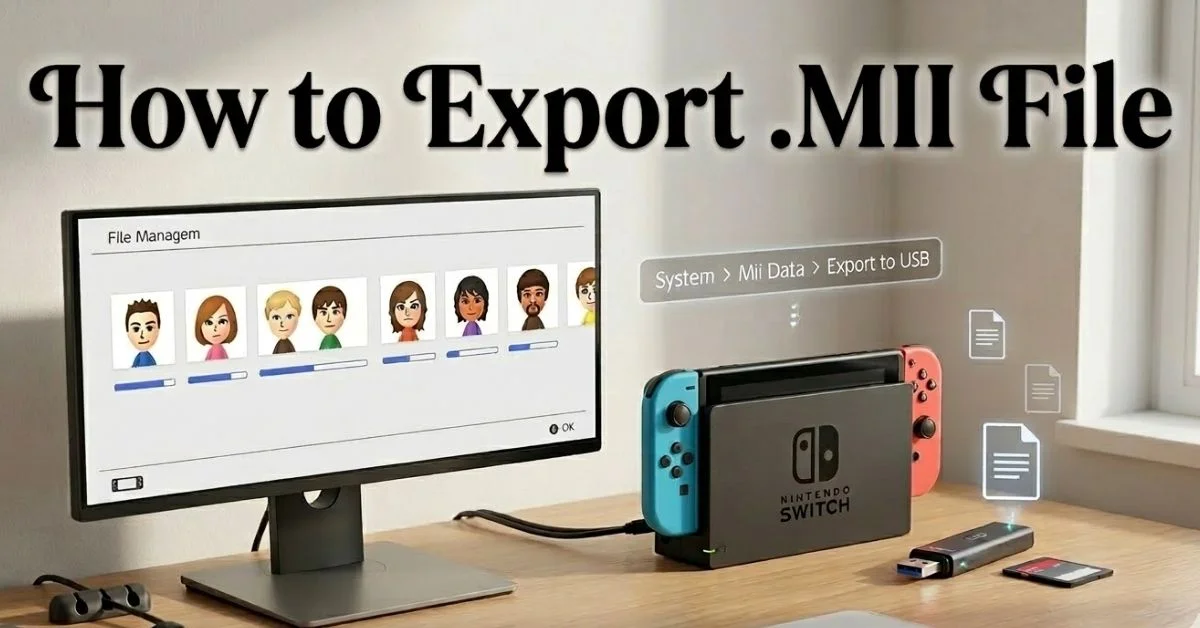
Exporting .MII file from your device is a necessary step for anyone looking to back up, transfer, or use their custom avatars across platforms. Many users struggle with locating the right tools, understanding compatible storage methods, and following the correct procedures for Nintendo consoles or emulators. Without proper guidance, Mii files can be lost, corrupted, or incompatible with other devices.
This guide provides a comprehensive, step-by-step approach to exporting .MII files safely and efficiently. You will learn how to prepare your console, choose the right storage method, transfer avatars to other devices like Nintendo Switch or PC emulators, and troubleshoot common issues. By following these instructions, you can preserve your Miis, customize them, and share them across platforms without unnecessary risk.
What is a .MII File?
Mii Maker Overview
how to export .MII file stores the data for a Nintendo Mii, including facial features, body dimensions, and personality traits. It is created using the Mii Maker application on consoles such as the Nintendo Wii or Wii U. Each .MII file represents a unique avatar that can appear in games, leaderboards, and online communities like Miiverse.
The Mii Maker interface is intuitive, allowing users to customize avatars with facial expressions, hairstyles, and clothing options. Once a Mii is created, it can be stored locally on the console or exported as a .MII file for external use. Understanding the file format and how Mii Maker organizes these avatars is essential for successful export.
.MII files are compact but contain all necessary data to recreate the avatar precisely on other devices. Properly handling these files ensures that your avatars remain consistent and recognizable, even when transferred or backed up.
Read also: File Folders Explained Simply How to Choose and Use File Folders the Right Way
Devices Supporting .MII Files (Wii, Switch, Emulator)
Nintendo Wii is the primary console for storing and exporting Mii files. Wii U and Nintendo Switch support Mii creation and some transfer capabilities, though methods vary slightly due to system architecture. Emulators like Dolphin can also read and manipulate .MII files, providing PC users with access to their avatars.
Older systems, including GameCube, may require intermediary steps for Mii export since they do not natively save .MII files in a transferable format. Using USB devices, SD cards, or specific homebrew applications bridges compatibility gaps between these platforms.
Knowing which devices support .MII files allows you to plan transfers, backups, or cross-platform sharing efficiently. Each platform has unique storage methods, making preparation before export critical.
Preparing Your Device for Export
Backing Up Your Mii Files
Before exporting, it is crucial to create a backup. This can be done using the console’s internal storage or by transferring your Mii collection to an SD card. Backups prevent data loss due to accidental deletion or file corruption.
For Wii users, Mii files are stored within the Mii Channel, which allows bulk copying to external storage. For Switch users, saving avatars through your Nintendo Online Account ensures cloud-based protection. Emulators also provide options to export Mii files to local PC directories for additional safety.
Consistent backups provide peace of mind, especially when transferring files between platforms or using advanced methods like Homebrew. Avoid skipping this step, as it protects your personalized avatars.
Required Tools (SD Card, USB, Software)
To export a .MII file, you need the right tools. SD cards or USB storage devices are the most common, depending on the console. The Wii uses SD cards directly, while Switch transfers may require intermediate software or Nintendo Online account syncing.
Additional tools include Mii Maker itself for export preparation and optional file compression software for storing multiple avatars. Advanced users may use Homebrew Channel utilities to handle batch exports or emulate file transfers across devices.
Choosing compatible tools prevents errors during export. Verify that storage devices are formatted correctly and have sufficient space to accommodate your Mii files.
Step-by-Step Export Methods
Export Using SD Card
Exporting via SD card is the simplest method on Wii consoles. Insert a formatted SD card into the console, open the Mii Channel, and select the Miis you want to export. Follow the prompts to copy the .MII files to the SD card.
Once exported, the SD card can be connected to a PC or another console. Mii files can then be used with emulators or transferred to Nintendo Switch. This method ensures a straightforward, risk-free transfer without additional software.
Always verify the exported files on another device to confirm the process worked correctly. Avoid removing the SD card during transfer, as this may corrupt the data.
Export via USB Storage
Some users prefer exporting Mii files using a USB drive. The Wii supports USB via the Homebrew Channel or third-party utilities, enabling faster transfers and larger batch exports. Users can connect the USB to a PC to store, manage, or share .MII files.
This method is ideal for users handling multiple avatars or needing flexible storage. Make sure the USB is formatted in a compatible file system and recognized by the console. Using trusted software reduces the risk of file corruption.
Advanced Export with Homebrew Channel
Homebrew Channel provides advanced export options unavailable through standard Mii Maker interfaces. Users can extract all .MII files simultaneously, organize them, and transfer to PC or other consoles.
While powerful, Homebrew requires careful setup to avoid damaging your console. Follow official guides and use verified applications. This method is particularly useful for extensive collections or users integrating Miis into emulators.
Transferring Mii Files to Other Devices
Nintendo Switch
Transferring Mii files to a Switch involves either manual import via SD cards or cloud sync through your Nintendo Online account. Users must convert .MII files if necessary to meet Switch compatibility standards.
This process allows for cross-platform gameplay and maintaining consistency in avatars. Switch users can then use the imported Miis in games, leaderboards, or online interactions seamlessly.
Proper verification is essential; importing incompatible files may cause errors. Always back up the original files before initiating transfers.
PC Emulators
Emulators such as Dolphin allow PC users to import, export, and manage .MII files for gaming or experimentation. After exporting from Wii or Homebrew, users can drag files into the emulator’s directory.
Emulators also support modifications and batch imports, providing more flexibility than consoles. Ensure the emulator version supports .MII files to avoid compatibility issues.
Testing avatars on the emulator confirms that features, appearance, and functionality remain consistent.
Customizing Your Mii Before Export
Tips for Personalization
Mii customization is often overlooked before export. Adjusting hairstyles, facial features, or colors ensures avatars appear as intended across platforms. Personalization maintains consistency when sharing or using Miis in games.
Mii Maker allows users to tweak minor details, which carry over in the .MII file. Review all settings to confirm features align with your preferences.
Advanced users may use editing tools on PC emulators to refine avatars further before exporting to another platform. This guarantees the exported Mii matches your original vision.
Avoiding Common Mistakes
Errors during export often stem from incorrect storage, corrupted files, or skipping backup procedures. Avoid removing SD cards prematurely or using unsupported devices.
Misnaming files or transferring incompatible formats may prevent Miis from importing correctly. Always check file extensions and storage paths.
Following standard practices for backups, storage, and device compatibility ensures smooth transfers and preserves all avatar features.
Troubleshooting Common Export Issues
Error Messages and Fixes
Users may encounter errors such as “file cannot be exported” or “storage not recognized.” These issues often relate to device compatibility, formatting problems, or corrupted data.
Ensure the SD card or USB device is correctly formatted and recognized by the console. Re-exporting or using a different storage device often resolves these problems.
For advanced errors, Homebrew Channel logs and emulator error messages provide insight. Users can reference Nintendo Support documentation for further assistance.
Corrupted Files and Recovery
Corrupted .MII files can occur due to interrupted transfers or storage failures. Restoring from backups is the primary recovery method.
Homebrew utilities may also repair partially corrupted files, but caution is required. Avoid using unverified software, as this can worsen the problem.
Regular backups and testing exported files on another device minimize the risk of permanent data loss.
Sharing and Storing Exported Mii Files
Backup Options
Storing .MII files securely is vital. SD cards, USB drives, and cloud accounts provide reliable backup methods. Multiple copies across platforms ensure safety against accidental deletion.
Organize files with clear naming conventions to locate specific avatars quickly. Include the creation date and platform for reference.
Routine backups are particularly important for extensive collections or highly customized avatars.
Online Sharing & Community Platforms
Miiverse, forums, or gaming communities provide opportunities to share Mii files. Ensure compliance with platform guidelines and verify that the files are compatible with other users’ devices.
Sharing fosters collaboration and creative use of avatars. Keep original copies to maintain control over your personal creations.
Conclusion
How to export .MII file ensures your custom avatars are safe, transferable, and ready for use across devices. By following the steps outlined, you can back up Miis, use SD cards or USB drives, and even employ advanced Homebrew methods when needed. Understanding device compatibility, proper storage, and personalization options helps maintain the integrity of your avatars. Troubleshooting tips and consistent backups reduce the risk of corruption or errors. Whether transferring to Nintendo Switch or using emulators on PC, careful planning keeps your Miis consistent and accessible. Regularly reviewing and updating backups ensures long-term safety. Take a moment now to check your exported files and enjoy using your Miis across platforms confidently.
Read More: file
FAQs
How do I export a Mii from Wii?
Open Mii Channel, select the Mii, and copy it to an SD card following the on-screen instructions.
Can I export Mii files to Nintendo Switch?
Yes, via SD card or Nintendo Online account, but files may require conversion for compatibility.
What programs can open .MII files?
Mii Maker on Wii/Wii U, Dolphin emulator on PC, or Homebrew utilities can open and edit .MII files.
How to back up my Mii avatars?
Use SD cards, USB storage, or Nintendo Online account sync for secure backups.
Why won’t my Mii export correctly?
Common causes include unsupported storage, corrupted files, or interrupted transfers. Verify storage and retry the process.
How to fix corrupted Mii files?
Restore from backups or use Homebrew repair tools, ensuring software is verified and compatible.